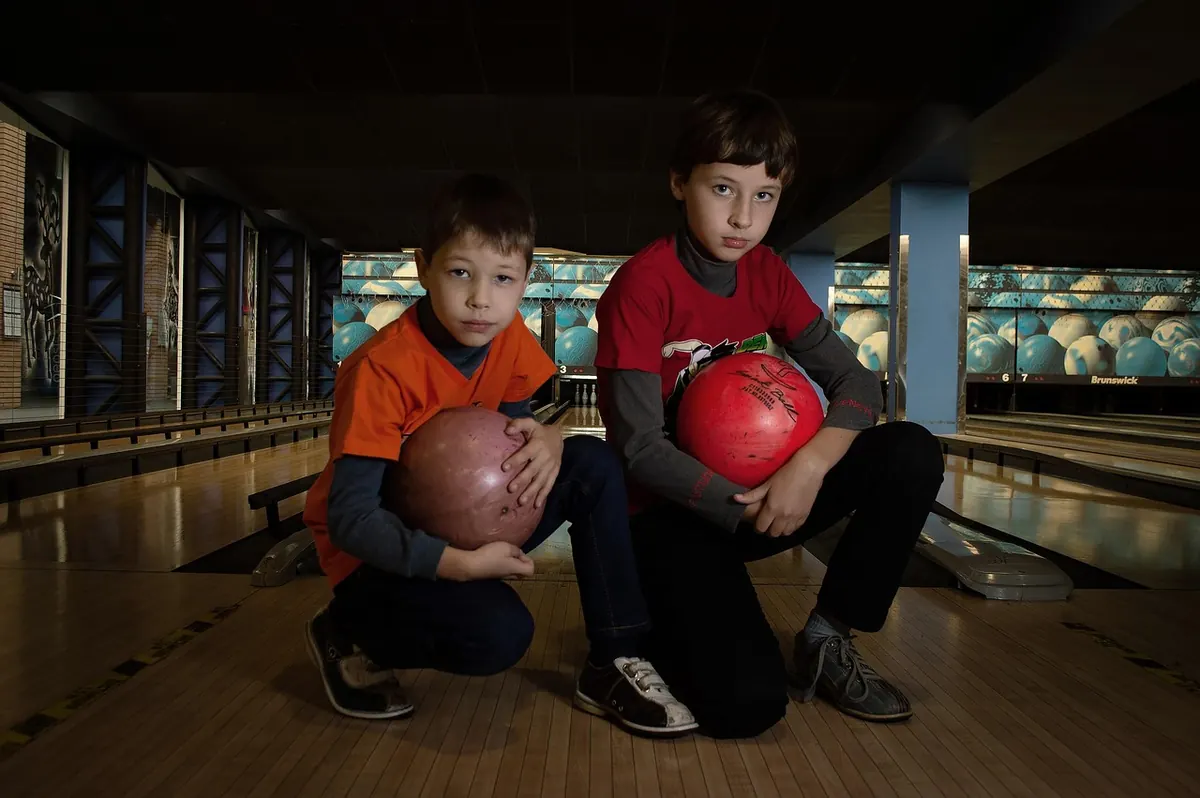
High school bowling tryouts have a way of arriving early. Sign-up sheets go up while families are still tangled in fall sports, and by the time everyone checks the calendar, the first practice is a week away. Bowling is more forgiving than most sports to prepare for — you don't need pads, a helmet, or a summer of conditioning camps — but the paperwork, eligibility rules, and gear still apply. A missing physical form can cost a bowler a full week of practice, and shoe shopping the night before tryouts is nobody's idea of fun.
Here's what to handle, roughly in the order it matters.
Start With the Paperwork, Not the Ball
Every state association requires a pre-participation physical exam before a student can practice or compete. Many are valid for a full year, so if your bowler already plays soccer or runs track, there's a decent chance one is on file. Pull a copy and check the expiration date anyway. A physical that lapses in the middle of December is a quiet problem until it isn't.
Beyond the physical, most athletic departments want:
- Online registration through the school's athletic portal (do this early — portals close)
- Signed consent and insurance forms
- Concussion and sudden cardiac arrest awareness acknowledgments, which many states require
- Proof of residency, and occasionally a birth certificate or transcript
Keep everything in one folder, paper or digital. When the athletic office asks for something at 3 p.m. on a Tuesday, you'll want it in one place.
Eligibility Rules Worth Reading Before Tryouts
Eligibility is where families get surprised, because the rules vary by state, by district, and sometimes by whether bowling is sanctioned or run as a club sport at your school. Read the specifics rather than relying on what another parent remembers from last year.
Academics
Most associations require full-time enrollment and passing grades, or a minimum GPA, checked at the start of the season and again mid-season. A bowler who squeaks by in November can be benched in January. If your child is carrying a difficult course load, know the threshold now.
Transfers and residency
If your family moved districts or your child is transferring schools, talk to the athletic director before tryouts — not after. Transfer rules can include waiting periods that have nothing to do with ability.
Age and grade limits
Some states set age caps that catch older freshmen or students who repeated a grade. Confirm where your child stands.
When in doubt, the athletic director's office is the authority. Message boards and group chats are not.
Gear Check: What Actually Belongs in the Bag
You don't need much, but you do need the right things, and you want them ready before the first day.
- Bowling shoes. Own pair if possible. Rental shoes work at a house, but sizes run out and fit matters for slide and approach.
- Your own ball, fitted to your hand. If your bowler has one, bring it. If not, house balls are fine for tryouts — just expect to adjust.
- Accessories: rosin bag, finger tape, a microfiber towel, shoe brush.
- A wrist support or brace if your bowler uses one regularly. Don't introduce new equipment on tryout day.
- Comfortable athletic clothes. No jeans on the lanes — they restrict the approach and most coaches will say something.
- Water bottle and a snack for long sessions.
- A small notebook or phone note for recording lane conditions and adjustments.
- Extra socks and blister care. Small thing, big difference over three games.
Ask the coach whether the team provides shirts or jerseys, and when. Don't buy team gear before you know what's supplied.
What Coaches Watch Once You're on the Lanes
Tryout scores matter, but they're not the whole story. Coaches are building a roster for a long season, and they're watching for consistency, spare shooting, and how a bowler handles a bad frame. A player who rolls 130 after a rough start and keeps their composure is more useful than one who unravels after an open tenth.
They also notice the small things: arriving early, staying until the last ball, asking a question instead of sulking, cleaning up the settee area, cheering for a teammate who's struggling. In a sport where teams often have limited roster spots, attitude genuinely separates two bowlers with similar averages.
Build the Family Calendar Before Week One
Bowling schedules look light on paper and are not. Practices at many schools happen once or twice a week at a local center, frequently in the late afternoon or after a league finishes for the night. Matches are usually weekday afternoons and can involve up to an hour of travel each way.
Before the season starts, get answers to these:
- What days and times are practices, and where?
- Are matches home, away, or at a neutral center?
- Does the district provide transportation, or is it parent carpool only? Many bowling programs do not get buses.
- Are there Saturday tournaments, and how many?
- Who is the point of contact for schedule changes?
Put it all in one shared calendar the whole family can see. Then plan dinners around the early match nights instead of improvising at 8 p.m.
Costs, Fundraising, and the Money Conversation
Budgets vary widely, but expect some combination of an athletic participation fee, team dues, lane time, shoe rental or purchase, and drilling costs if you buy a ball. A properly fitted ball is a real investment, and it's worth waiting until the coach recommends a weight and layout rather than guessing in October.
If cost is a concern, ask. Most districts have fee waivers or payment plans, and athletic departments handle these quietly and routinely. Used balls, pro shop specials, and team fundraisers — raffles, bowl-a-thons, sponsor signs — are common and can offset a chunk of the season. For anything involving insurance or significant spending, it's sensible to check with the athletic department and, where relevant, a financial professional.
The Week Before Tryouts
Confirm the physical is on file, confirm the start time, and confirm the shoes fit. Roll a practice session at the actual center if you can, so the approach and lane surface aren't a surprise. Get sleep, eat breakfast, and leave the house ten minutes early.
And if your bowler is sick or nursing an injury, talk to a physician before pushing through tryouts — a week off now beats a season on the sidelines. Show up prepared, bowl within yourself, and let the rest take care of itself.
Photo: Sunriseforever / Pixabay